Global Experts Gather at CIQTEK to Explore High-Field EPR Technology
April 02, 2026
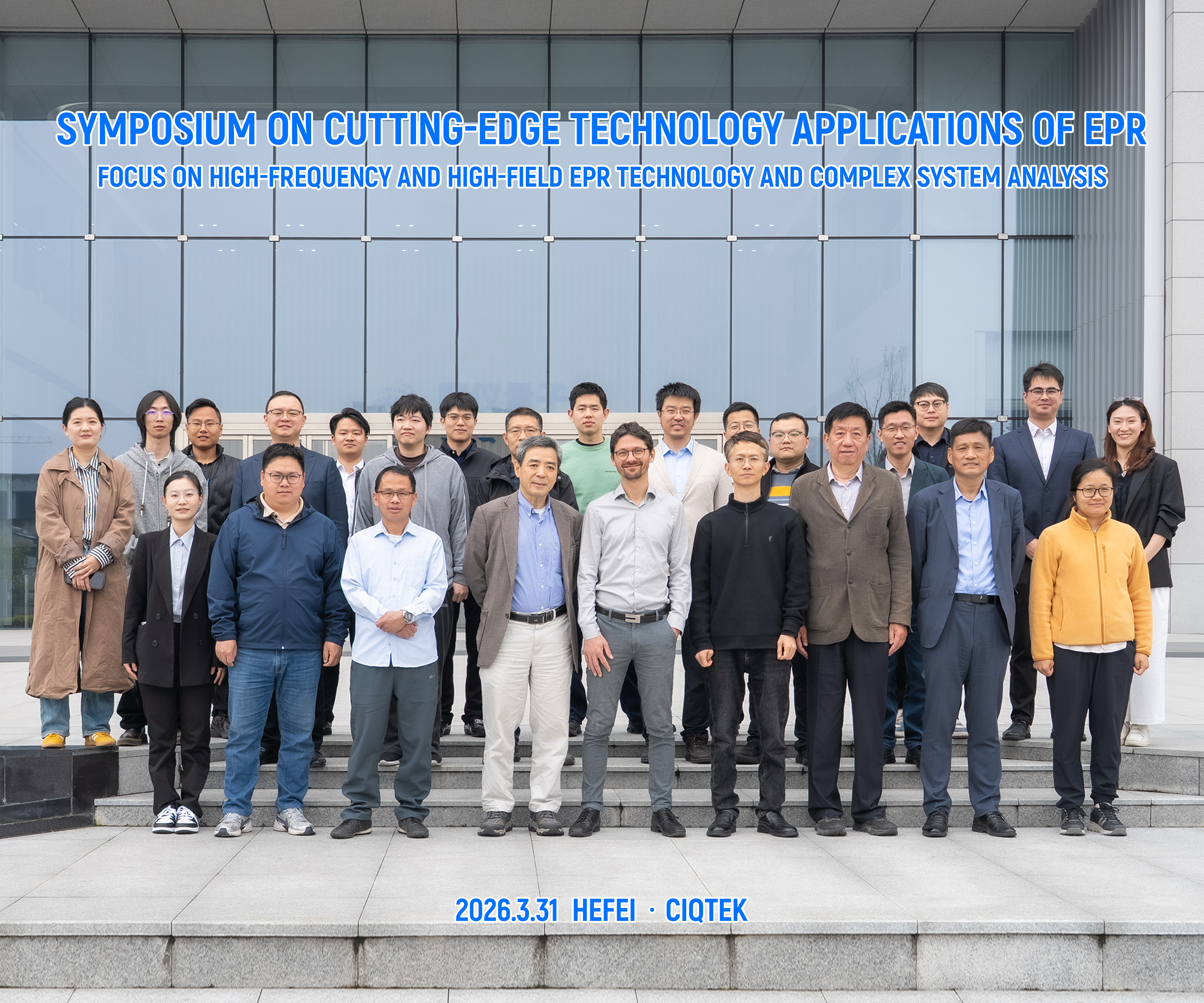
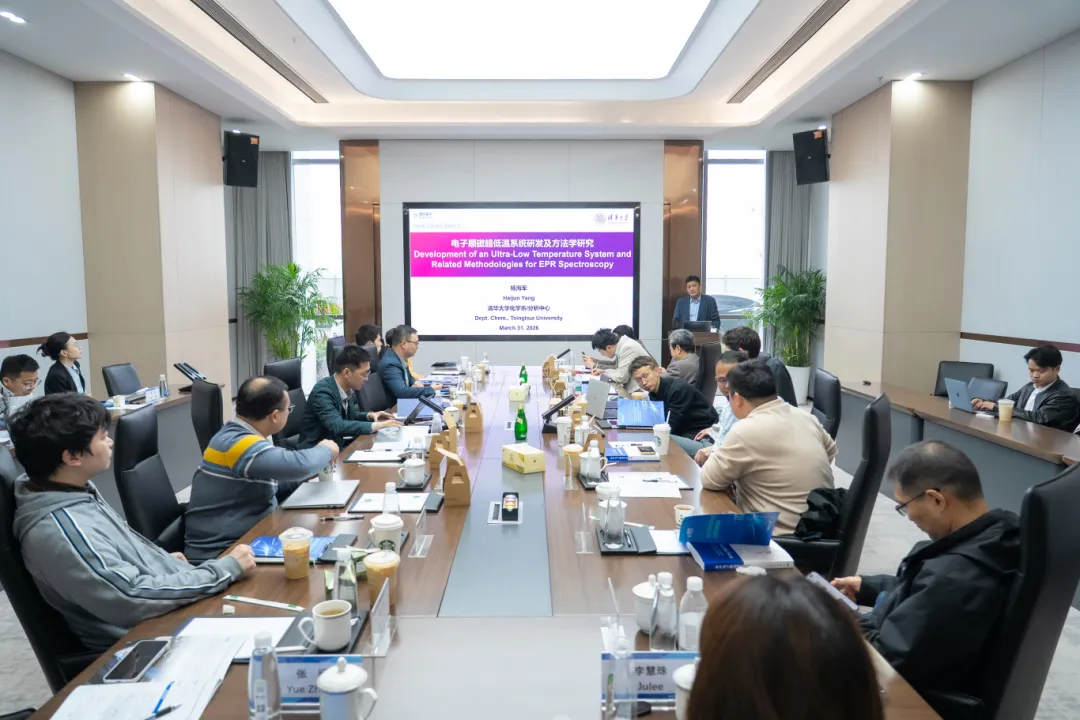
On March 31, CIQTEK successfully hosted the "EPR Frontier Technology Application Seminar" at the CIQTEK Hefei Headquarters. The main takeaway from the event is clear: high-frequency and high-field electron paramagnetic resonance (EPR) technology is rapidly becoming the ultimate solution for unlocking the micro-mechanisms of complex systems. By bringing together top EPR experts from around the world, the seminar fostered deep international collaboration and showcased how our latest multi-band EPR instruments are directly solving real-world experimental challenges in biomedical science, materials chemistry, and quantum sensing.
Sparking Innovation in Complex System Analysis
Compared to standard frequency bands, high-frequency and high-field EPR offers incredibly high resolution and sensitivity. This allows researchers to accurately capture the fine structures, dynamic behaviors, and weak interactions of complex molecules. It is a core technological tool for anyone working with biological macromolecules or advanced materials.
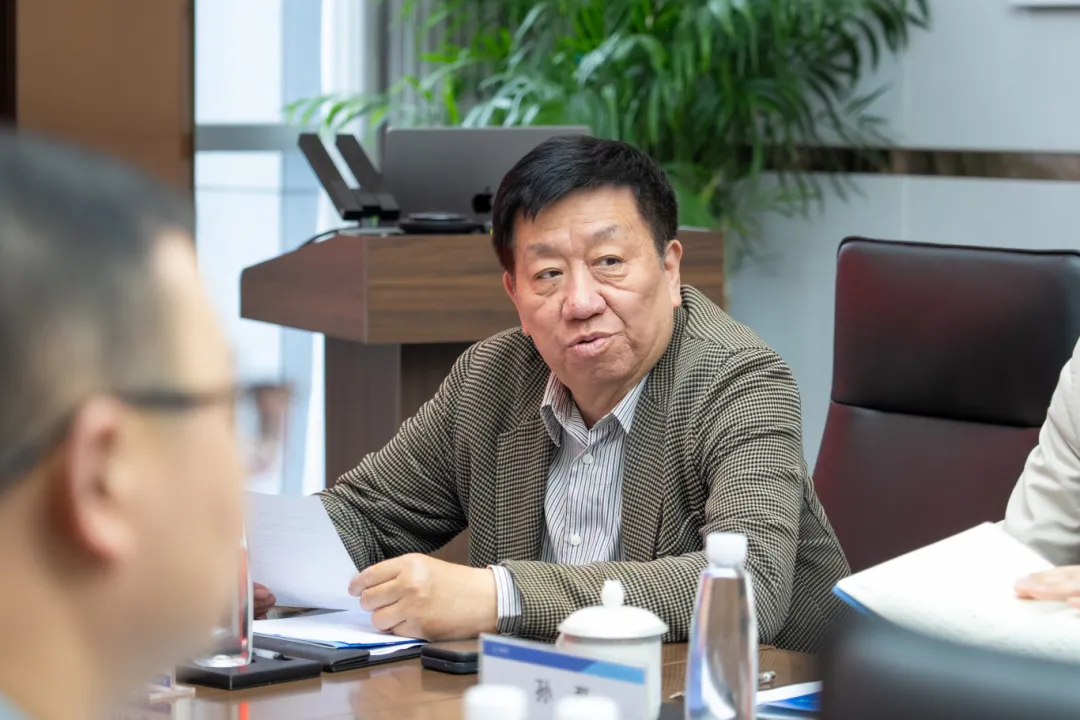
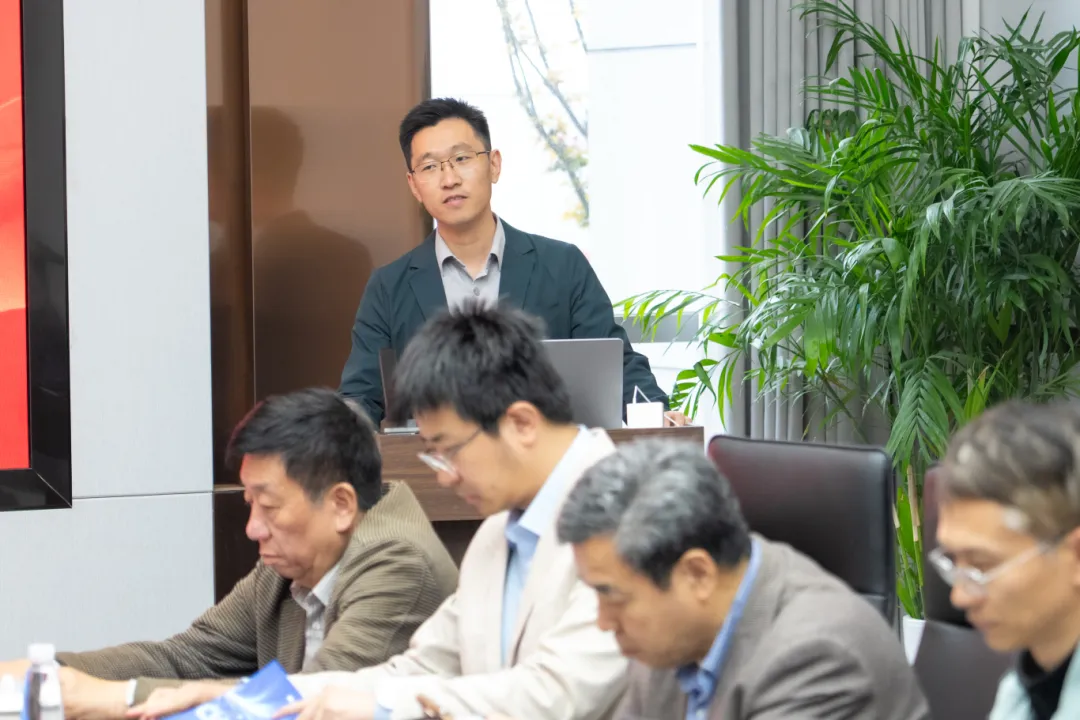
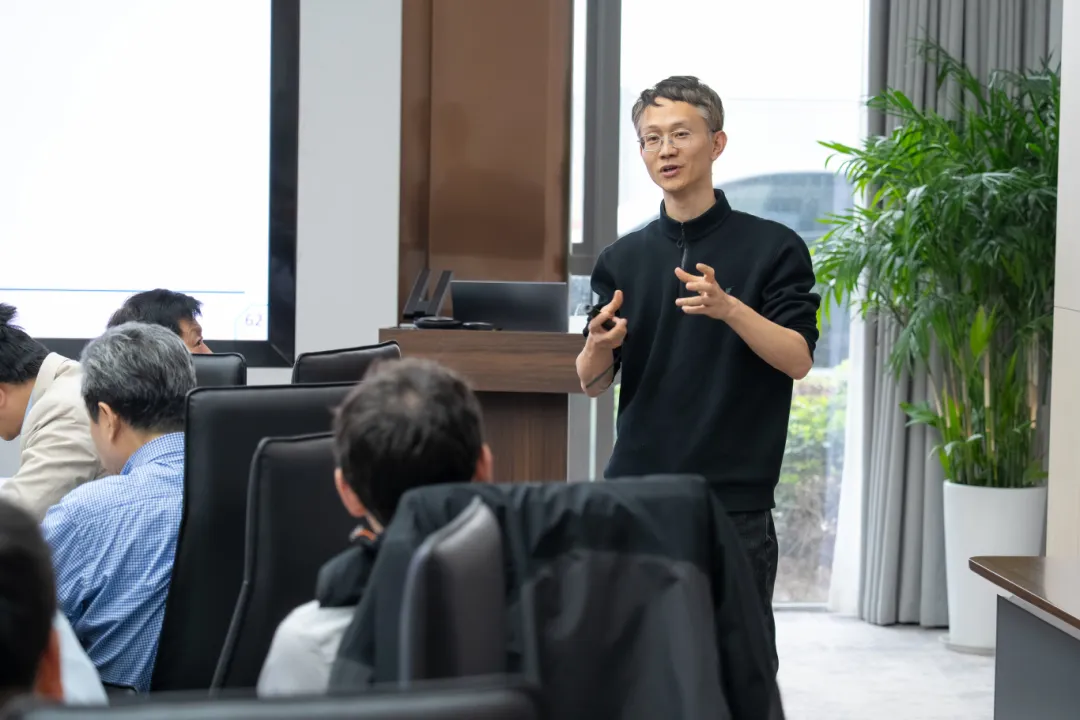
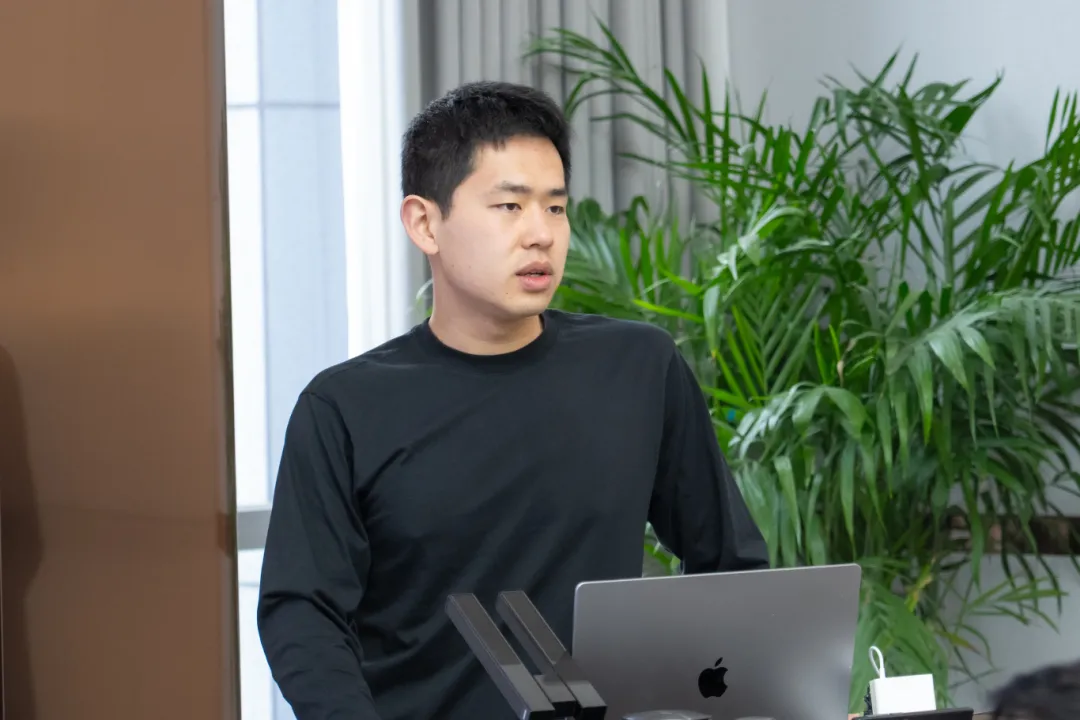
Hosted by Professor Wang Yiping from Peking University, the event attracted numerous researchers and professionals dedicated to advancing EPR technology. Dr. Xu Kebiao, Vice President of CIQTEK, delivered the opening remarks to welcome the attendees. Throughout the day, experts shared their latest findings through academic reports, focusing on instrument innovation, cross-disciplinary applications, and the development of new experimental methods.
Global Experts Unlock New EPR Applications
The seminar featured a diverse lineup of brilliant minds. The presentations covered a wide range of cutting-edge fields, fully demonstrating the massive potential and versatility of modern EPR technology:
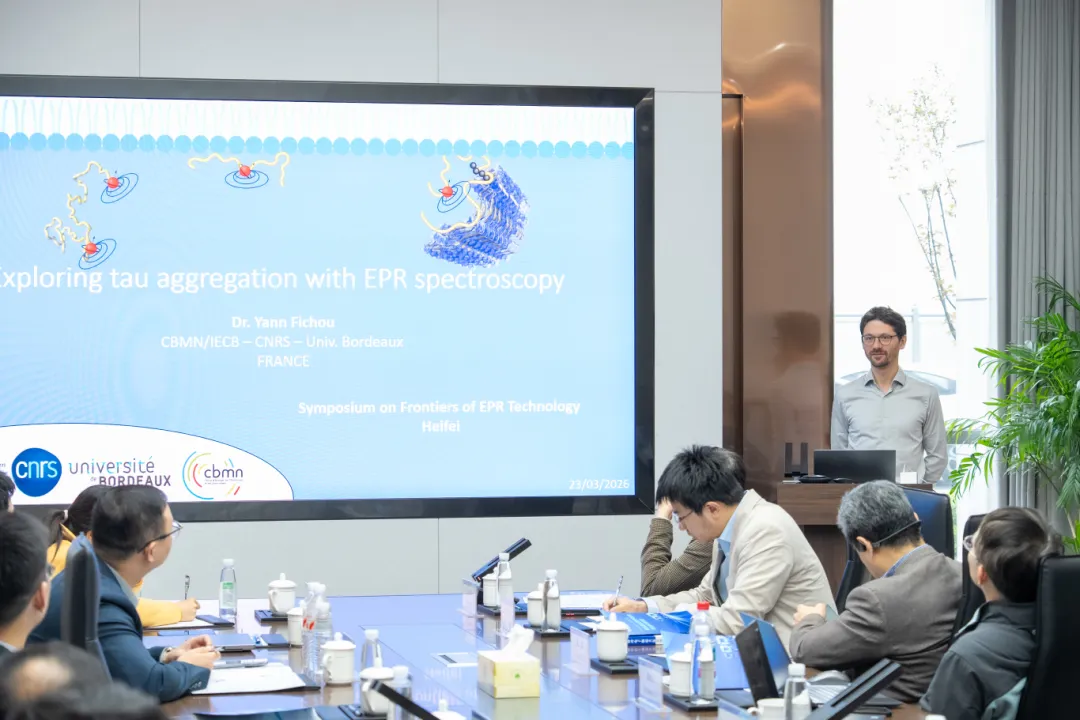
Dr.Yann Fichou, Lead Researcher at the French National Centre for Scientific Research (CNRS), presented: Exploring tau aggregation with EPR spectroscopy.
Professor Hu Bingwen from East China Normal University discussed: EPR with Imaging for Batteries.
Professor Yang Haijun from Tsinghua University detailed the: Development of an Ultra-Low Temperature System and Related Methodologies for EPR Spectroscopy.
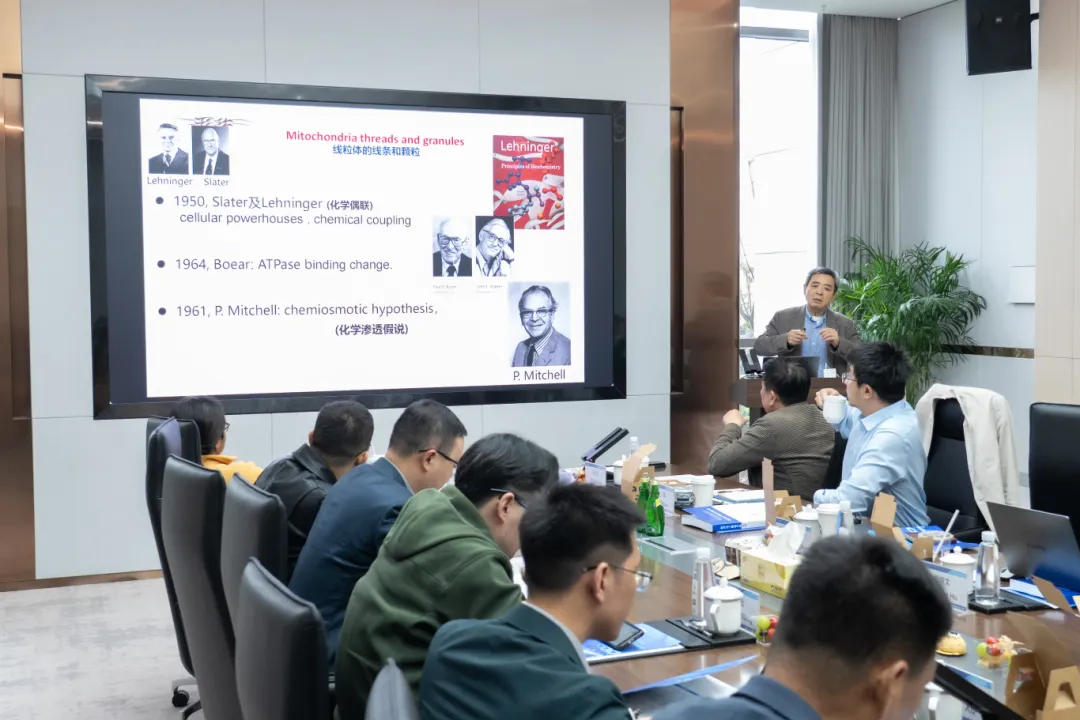
Professor Qin Yue from the Clinical Medical Research Institute, Zhejiang Provincial People's Hospital (Hangzhou Medical College), shared insights on the: Structure and Function of the Phospholipid Membrane in Neutrophils in Respiratory Burst Activation.
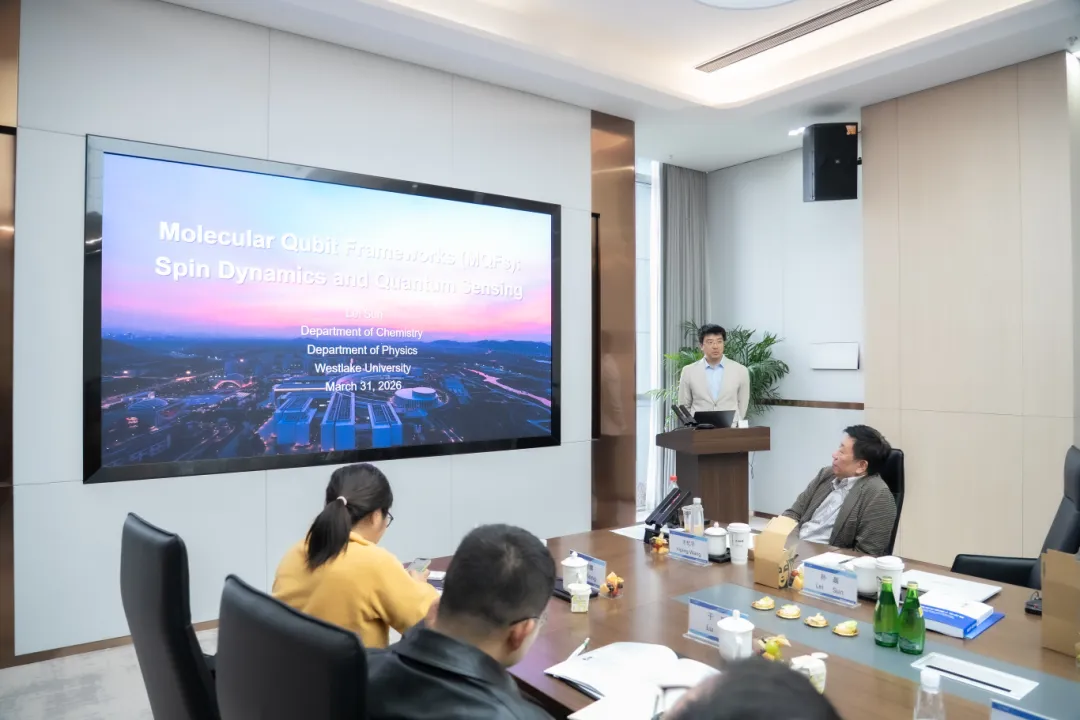
Assistant Professor Sun Lei from Westlake University explored: Molecular qubit frameworks: quantum sensing and spin dynamics.
Introducing the Next Generation X, Q, and W Band EPR
A major highlight of the seminar was the showcase of CIQTEK's latest hardware and software advancements. Dr. Sun Zhiyu, Senior Solutions Manager at CIQTEK, delivered a compelling presentation titled Next Generation EPR: Advanced X, Q, and W Band Instrumentation with AI Enhanced Spectral Processing.
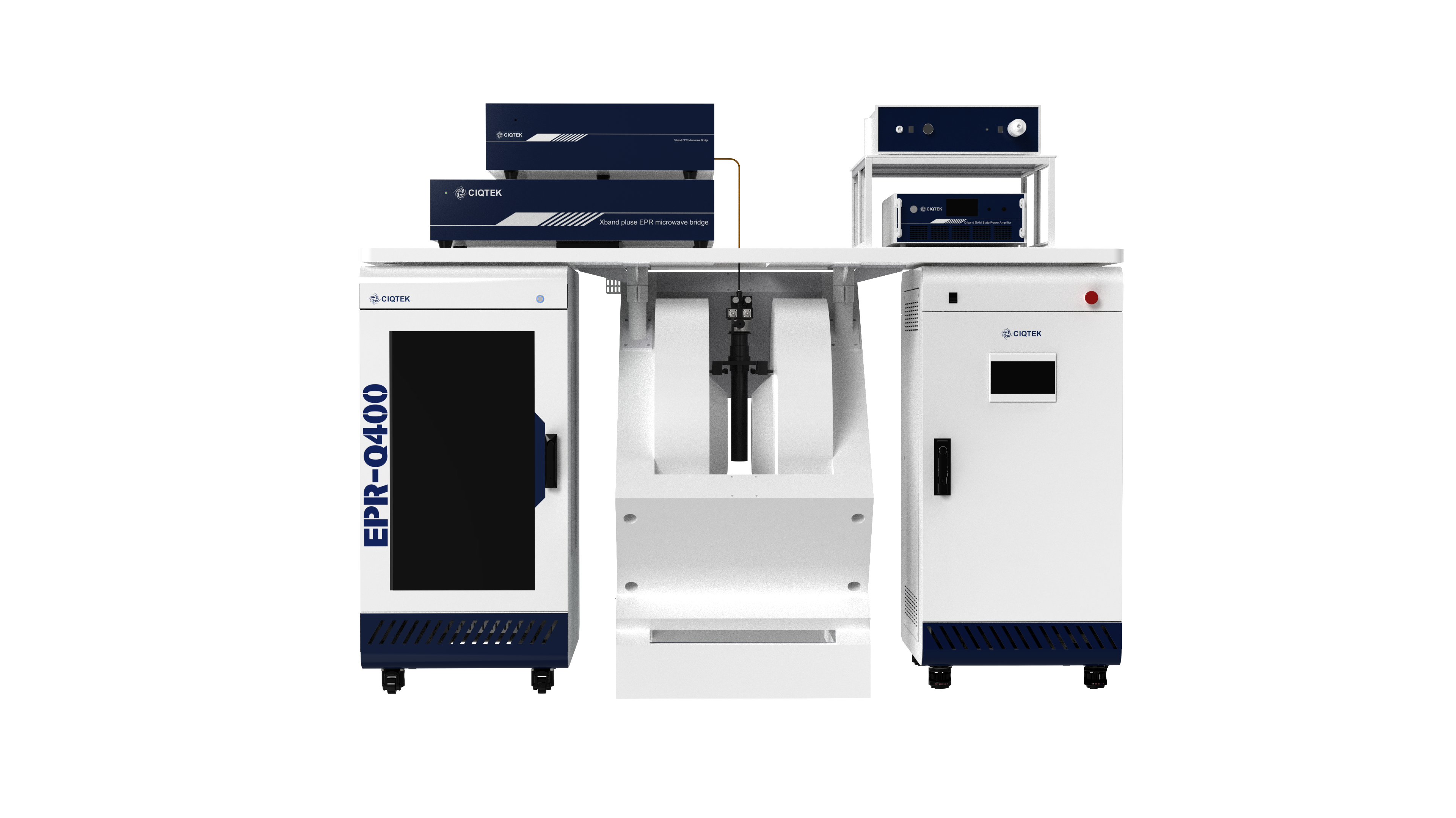
Dr. Sun officially introduced the Q-band pulsed EPR spectrometer. This powerful new tool joins our existing X-band and W-band systems to form a complete, next-generation multi-band EPR product matrix.
What makes the Q-band spectrometer stand out? It utilizes a solid-state power amplifier to achieve broadband excitation with a π/2 pulse width of better than 10ns, significantly boosting both sensitivity and resolution. Furthermore, it is paired with an advanced AI model for spectral processing that boasts an accuracy rate of 92%. This seamless integration of hardware and software drastically lowers the barrier to entry for using EPR technology, making it much more accessible for researchers across chemistry, biology, and materials science.
An Inside Look at CIQTEK's R&D Strength
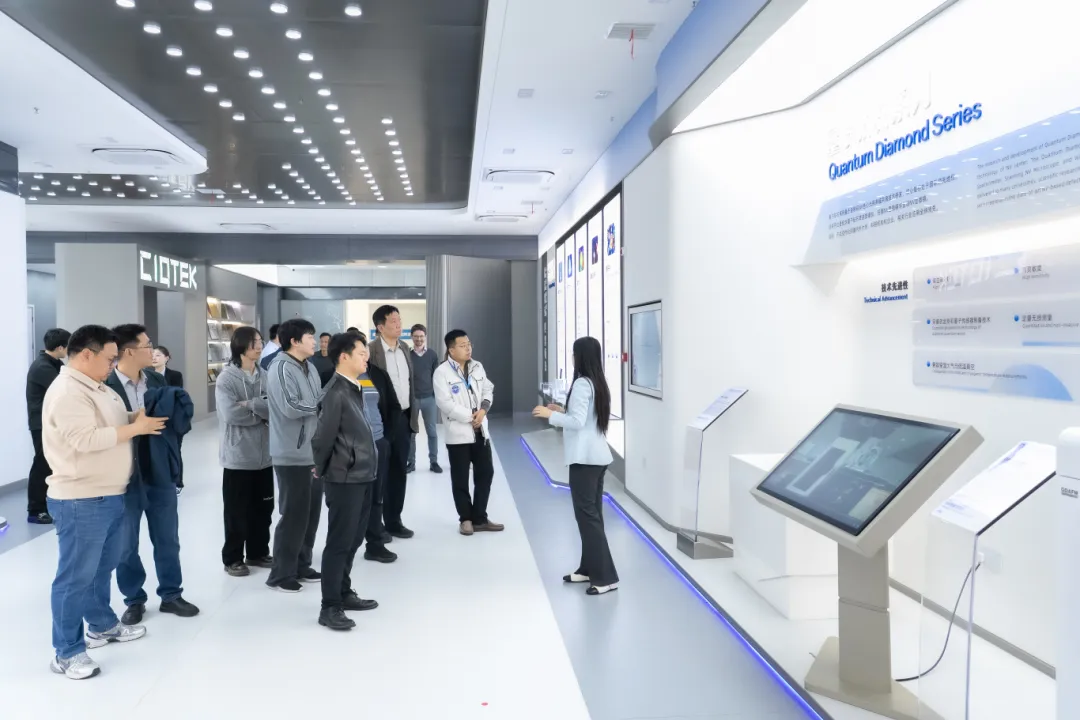
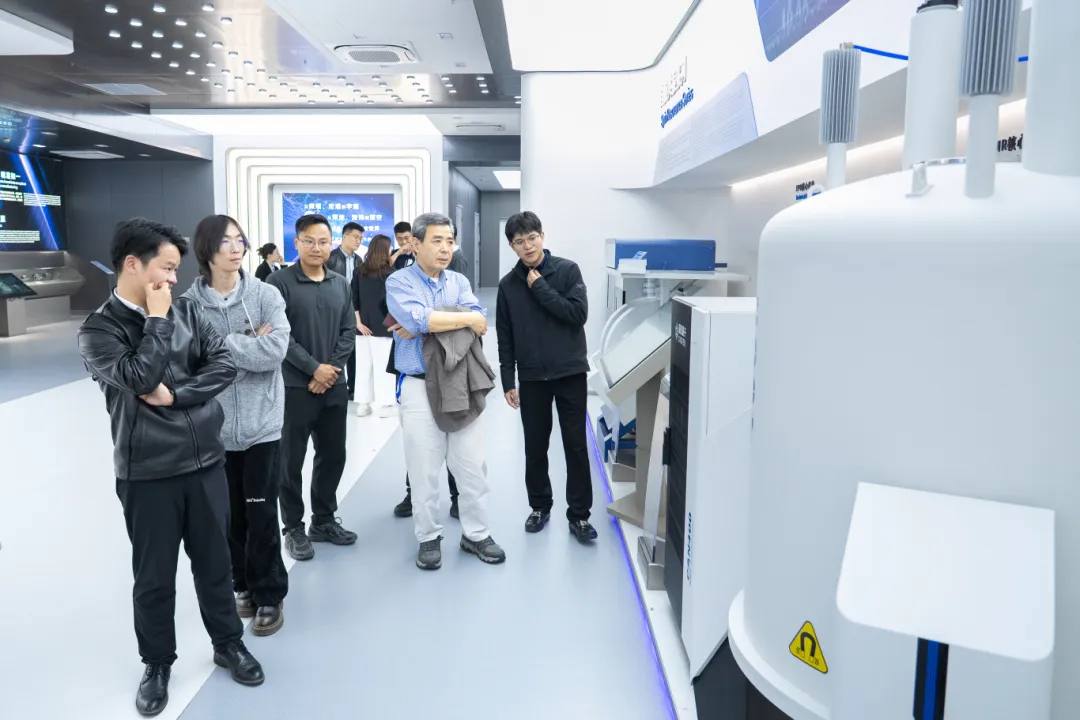
In the afternoon, the attendees took a guided tour of the CIQTEK showroom and application center. This provided a hands-on opportunity to see our EPR research and development achievements up close.
Guests engaged in lively, on-site discussions with our application engineers, exploring the core technologies behind the instruments and how they can be adapted for specific laboratory scenarios. The visiting experts highly praised the engineering quality, reliability, and technical innovation of CIQTEK's EPR solutions, offering valuable practical feedback that will help us drive future product iterations.
Driving the Global Future of EPR Technology
Electron paramagnetic resonance is at a critical stage of rapid iteration and expanding applications. This successful seminar served as a vital bridge between instrument developers and the global academic community. It not only highlighted the latest research but also actively promoted the practical application of high-frequency and high-field EPR technology worldwide.
Looking ahead, CIQTEK is fully committed to deep-rooting our R&D in EPR technology. We will continue to expand our product offerings, enhance instrument performance, and strengthen our partnerships with research institutions and experts across the globe. By focusing on the real needs of global researchers and industries, we aim to unlock the full scientific and commercial value of EPR technology.
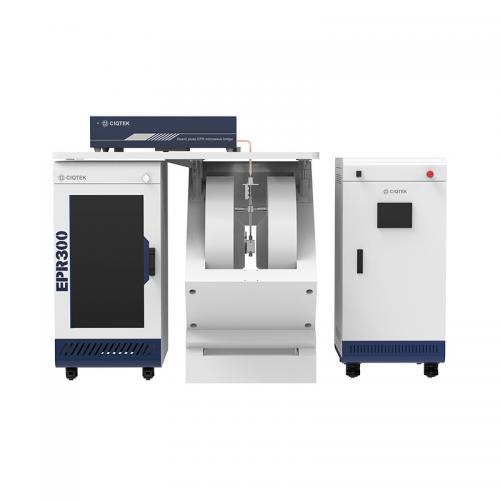
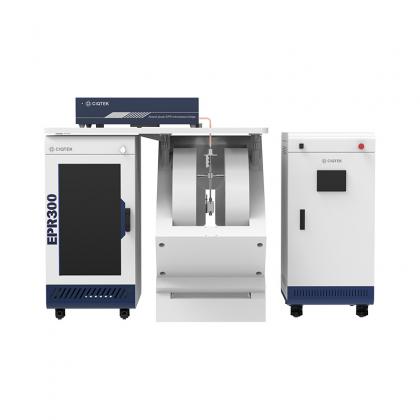
Le CIQTEK EPR300 Le spectromètre à résonance paramagnétique électronique (RPE) intègre une technologie micro-ondes de pointe et une unité de traitement du signal ultra-performante, améliorant considérablement la sensibilité de détection et le rapport signal/bruit à un niveau sans précédent. Il permet la détection et l'analyse précises des signaux d'électrons non appariés, même à des concentrations de spin extrêmement faibles, offrant ainsi une approche novatrice pour l'étude des propriétés physico-chimiques microscopiques de substances à faible concentration, telles que les radicaux libres et les ions métalliques. De plus, l'EPR300 prend en charge les mises à niveau faciles de la bande X vers Bande Q , permettant d'obtenir une résolution en valeur g plus élevée, ce qui est avantageux pour la détection d'échantillons anisotropes. L'EPR300 établit une base expérimentale solide pour la recherche de pointe en sciences de la vie, en sciences des matériaux, en chimie et en physique, propulsant les découvertes scientifiques vers de nouvelles étapes.
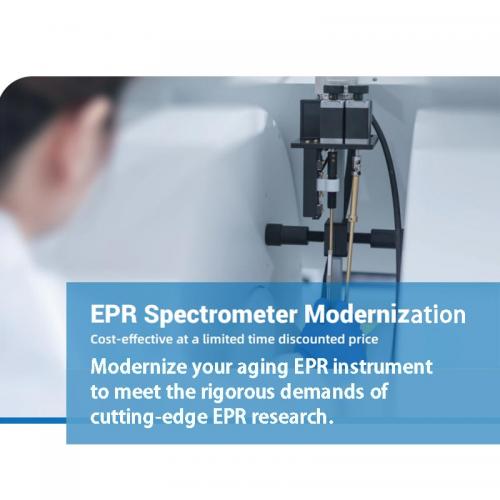
Modernisez et mettez à niveau votre ancien instrument RPE pour la recherche RPE de pointe Ce service de modernisation et de mise à niveau des systèmes EPR vous offrira notamment les fonctionnalités suivantes : : ▶ Sensibilité accrue : Technologie de source et de détection de signaux micro-ondes à très faible bruit ▶ Meilleure résolution : Technologie de contrôle précis du champ magnétique ▶ Excellente compatibilité : Compatible avec une large gamme de spectromètres RPE ▶ Livraison rapide : Livraison complète du matériel modernisé sous 2 à 6 mois ▶ Service de haute qualité : Installation sur site et garantie de 2 ans ★ Envoyez-nous un courriel pour plus de détails : info@ciqtek.com
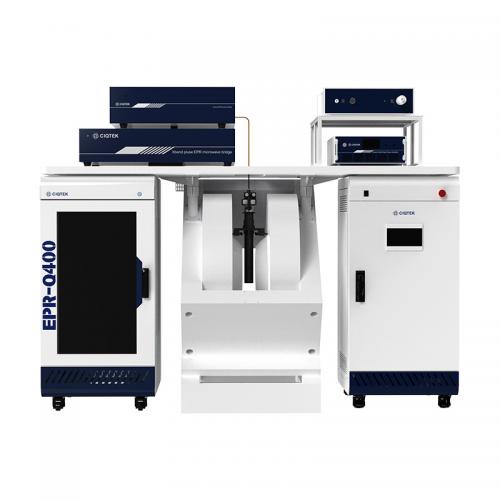
Comparée à la résonance paramagnétique électronique (RPE) conventionnelle en bande X, la RPE à haute fréquence offre des avantages significatifs et fournit des capacités importantes dans la recherche biologique, chimique et sur les matériaux. CIQTEK EPR-Q400 est un Spectromètre EPR à impulsions haute fréquence en bande Q équipé de deux onde continue (CW) et EPR pulsé modes de mesure (pour les expériences en mode continu uniquement, le spectromètre EPR-Q300 CW est disponible). Il prend en charge expériences à température variable de 4 à 300 K. La plateforme logicielle EPR est identique à celle des autres spectromètres à impulsions en bande X de CIQTEK, ce qui la rend simple et conviviale.
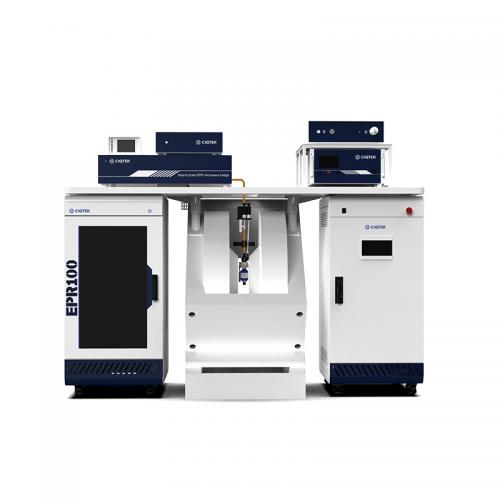
Spectromètre de résonance paramagnétique électronique (RPE ou ESR) pulsé en bande X CIQTEK EPR100 prend en charge les fonctions EPR à onde continue et EPR pulsée Outre la prise en charge des expériences EPR conventionnelles en onde continue, l'EPR100 permet également un contrôle et une mesure précis des états quantiques de spin électronique grâce à des séquences d'impulsions spécifiques. Ceci rend possibles les tests EPR pulsés tels que T1, T2, ESEEM (modulation d'enveloppe d'écho de spin électronique), HYSCORE (corrélation de sous-niveaux hyperfins), etc. L'instrument EPR100 offre une gamme complète de accessoires optionnels , tel que Modules ENDOR, DEER, TR-EPR et AWG , qui répondent pleinement aux exigences de tous les modes expérimentaux EPR pulsés actuels. Lorsqu'il est associé à un système à température variable , elle permet la détection de substances paramagnétiques à des températures ultrabasses. La spectroscopie EPR pulsée fournit résolution spectrale plus élevée Elle permet de révéler les interactions hyperfines entre les électrons et les noyaux et de fournir des informations structurales plus détaillées. Cette capacité est irremplaçable et cruciale dans des domaines de recherche scientifique tels que la science des matériaux, l'analyse de la structure biomoléculaire, etc.